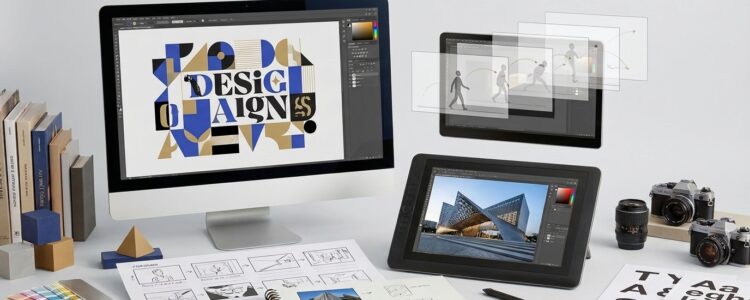
Digital art is a medium that uses computer technology. Instead of using traditional mediums such as paint, charcoal, fabric, or clay, the creator uses a computer to design and create innovative works of art. As computers have become more powerful and affordable, graphic design using digital technology has virtually exploded.
People use digital art professionally to create advertisements and branding such as a business logo. This art form is also opening new creative doors in the digital landscape, with moving images on electronic devices being used in games and advertisements.
Graphic Design: Visual Communication All Around Us
Graphic design exists everywhere in many different forms. From billboards to images on food packages to advertisements for apparel, consumers are surrounded by graphic designers’ creations that communicate a variety of different messages.
Why Consumer Research Matters in Graphic Design
Someone working in graphic design must understand how to interpret consumer and client needs to create a design that will resonate with people. Consumer research is an important part of the process of designing an effective product because the images must strike a keen balance between aesthetic appeal and function to broadcast the intended message.
Graphic design exists everywhere in many different forms. From billboards to images on food packages to advertisements for apparel, consumers are surrounded by graphic designers’ creations that communicate a variety of different messages.
Someone working in graphic design must understand how to interpret consumer and client needs to create a design that will resonate with people. Consumer research is an important part of the process of designing an effective product because the images must strike a keen balance between aesthetic appeal and function to broadcast the intended message.
Digital Photography and How It Transformed the Medium
With the prevalence of digital cameras, digital photography has transformed the medium of photography. It’s possible to create a digital photograph in several ways. You can take the photograph directly with a digital camera. You can also snip a still image from a video, transforming it into a digital photo.
Scanning and Editing Digital Photos
Finally, you can scan a conventional photograph using computer software, creating a digital rendering of the image. Once you have a digital photograph, you can then use software to apply special effects to it. Colorization, exposure, blurring, patterns, and textures are just a few of the effects you can apply to digital photos before using them in graphic design or printing them for personal use.
What Is Digital Storytelling?
Digital storytelling involves photos, video, animation, sound, text, and possibly a narrative overlay. People use digital stories to share experiences, to mark important events, to educate, and to entertain. Digital stories usually last between two and ten minutes, and virtually any topic can be the subject of the story.
How to Create a Digital Story
To create a digital story, you generally create a script and choose the types of media you will include in the story. You will then put together the separate pieces of the tale, editing and fitting them together into a short movie.
Adding Sound and Narrative to Your Story
Finally, you add music, sound effects, and narrative to tell the story. As computer technology continues to advance, digital storytelling is likely to become more popular and prevalent. People will share their stories and narratives online on social media sites more and more, and teachers will embrace technology by using this media form to teach students in a way that engages and inspires them.
Digital Animation: From Hand-Drawn Frames to Computers
Animation is not a new form of art; however, computer technology has changed animation significantly. Instead of the painstaking process of drawing each frame, powerful computers can be used to create the animation. Learning two-dimensional animation with graphic software will involve either the use of vector or bitmap images.
Vector vs. Bitmap Images in 2D Animation
Vector drawing involves precise equations that will enable scaling objects for any resolution. Bitmap images are created for a specific resolution, which prevents changing the scale without losing quality. Many tutorials are available online that can help you learn how to create two-dimensional animations.
Graphic Design
- Design a Concert Poster in Photoshop
- Photoshop in 60 Seconds: How to Install and Use Patterns
- Create a Kaleidoscope Effect in Photoshop
- Create a Chaotic Disintegration Effect on a Face
- Create an Exploding Light Text Effect in Photoshop
- Making of “Knight”
- How to Color Inked Line Art in Photoshop
- Create a Magical Photo Manipulation With Flowery Effect in Photoshop
- Photoshop Tutorial: Give a Portrait a Cosmic Makeover
Digital Photography
- Exposure Guide
- The Ultimate Guide to Learning How to Use Your First DSLR
- DSLR Camera Basics: Autofocus
- Digital Camera Sensors
- Basic Photography Using a Digital Camera (PDF)
- Five Steps for Great Backlit Images
- Professional Photography Tips and Tricks
- Ten Street Photography Tips
- Five Tips for Taking Great Photos
Digital Storytelling
- Behind the Lens
- Seven Things You Should Know About Digital Storytelling (PDF)
- For the Love of a Story
- Digital Storytelling Rubric
- Storymaking Steps
- What Are Digital Composition and Digital Literacy?
- How Digital Storytelling Improves Learning
- Eight Classic Storytelling Techniques for Engaging Presentations
- Six Elements of Good Digital Storytelling